Thorn
The Thorn collection contains 73 medieval charters from the former High Noble Abbey of Thorn. They date from the period between 950 and 1300.

Stories
The stories of
Thorn

Property and rights of Thorn Abbey in the early years of its existence
Ansfried - with the cooperation of his wife Hereswind (Hilsondis) - founded an abbey in Thorn sometime in the last quarter of the 10th century.

Ansfried and the abbey foundation in the 10th century
Count Ansfried (born ± 940) came from a lineage of high nobility. He came from an area then called "Teisterbant," located between Meuse and Waal.

Trouble with the lords of Horne
The guardianship of an abbey entailed that secular rulers took on the protection of such a religious institution.

Residents of the abbey: canonesses, canons, ministerials and beguines
The historiography about the inhabitants of Thorn Abbey is mostly limited to the upper social stratum, that of the foundation ladies (canonesses) and canons (priests).
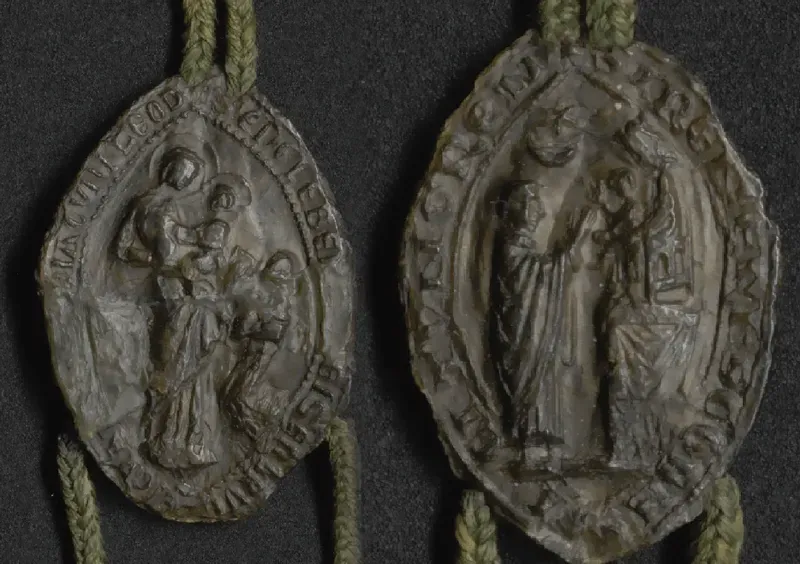
Out-of-court dispute resolution ahead of its time.
Conflicting interests in the 13th century usually took the form of disagreements over agricultural lands.

Guardianship of Thorn Abbey
The story of the foundation of the abbey of Thorn by Count Ansfried (see Theme 1) shows the involvement of Roman King Otto I, who granted territorial rights to Ansfried around 950.

Patronage rights and an unruly priest
The patronage right concerned the right of the abbey, in this case of Thorn, being patron to the bishop of Liege, to make a nomination for the appointment of a new parish shepherd.

Development of the economic position of Thorn abbey in the 13th century
As early as the 10th century the abbey of Thorn obtained rights in the region from which income could be obtained.
partners



donors















Beijer family