Die Gründung von Kloosterrade und seine Entwicklung zu einer Abtei

Direkt an der heutigen Grenze zwischen den Städten Kerkrade in den Niederlanden und Herzogenrath in Deutschland liegen die Gebäude der Abtei Kloosterrade. Das in diesen Namen vorkommende Element "rade" ist eine jüngere Variante des Toponyms "rot", eine Form, die etymologisch mit einem Verb verwandt ist, das "roden", "roden" oder "den Boden von Bäumen und Wurzeln befreien" bedeutet. Dies deutet darauf hin, dass diese Gebiete bewaldet waren. Hier erschien 1104 der aus Wallonien stammende Priester Ailbertus (± 1065-1122) auf der Suche nach einem Ort, an dem er sein Lebensziel, die ideale Armut des Einsiedlerdaseins, verwirklichen konnte. Ailbertus stammte aus dem Adelsgeschlecht der Herren von Antoing bei Doornik (Tournai) an der Schelde. Er wurde an der Kapitelschule im nahe gelegenen Doornik ausgebildet, wo er sich auf Philosophie und die sieben freien Künste spezialisierte. Nach seiner Ausbildung und Priesterweihe blieb er dem Domkapitel als Kanoniker verbunden und war Lehrer an der dortigen Domschule. In der Zeit von Ailbertus wuchs das Interesse an den von Papst Gregor VII. (1073-1085) initiierten Ideen der Kirchenreform. In kanonischen Kreisen wurde der Wunsch nach einem streng geregelten Leben in Askese und totaler Armut immer stärker. Diese Erneuerungsbewegung ging auch am Kapitel von Doornik nicht spurlos vorüber. Ailbertus selbst war von diesem christlichen Ideal der Armut und Enthaltsamkeit und vom Leben der Apostel und der ersten christlichen Gemeinschaften so beeinflusst, dass er sein Leben als Kanoniker aufgab und Doornik verließ. Zusammen mit seinen Brüdern Walgerus und Thyemo machte er sich auf die Suche nach einem geeigneten Ort zwischen Maas und Rhein, um sich einem Leben der Kontemplation und Askese, der Arbeit und des Gebets zu widmen. In der Nähe des Castrum Rodense, der Burg Rode in Herzogenrath, erkannte er den Ort, der ihm "zuvor wiederholt von Gott in seinen Träumen gezeigt worden war", wie es in den Annales Rodenses, der Chronik aus dem 12. Jahrhundert, heisst, in der die ersten Jahrzehnte der Abtei beschrieben werden. Der Grundherr Graf Adelbert von Saffenberg, Herr der Burg Rode, überließ ihm ein Stück Land, auf dem Ailbertus und seine Brüder eine Einsiedelei als Unterkunft errichteten. Während Walgerus kurz darauf als Pilger nach Jerusalem aufbrach, widmeten sich Ailbertus und Thyemo der handwerklichen Arbeit und der Hilfe für die Armen. Zur Feier des Gottesdienstes errichteten sie eine Kapelle aus Holz, die 1106 abgerissen und durch ein Presbyterium mit einem steinernen Gewölbe an der Stelle der heutigen Krypta ersetzt wurde. Angezogen vom Ruhm seiner Heiligkeit kamen die Bewohner der Umgebung in großer Zahl zu ihm, mit der Bitte um Rat und Gebet . Laienbrüder und -schwestern schlossen sich der Ordensgemeinschaft an. So auch der wohlhabende Ministeriale Embrico aus Mayschoß an der Ahr, der sich mit seiner Frau Adeleida und seinen Kindern Heriman und Margaretha, Ailbertus und seinen Anhängern anschloss. Bei dieser Gelegenheit übertrug Embrico alle seine Besitztümer, seine Leibeigenen, Felder und Weinberge an die nun entstehende Klostergemeinschaft. Ailbertus galt dort nicht nur als Gründer, sondern vor allem als verus doctor animarum, als wahrer Lehrer der Seelen.
Durch die Einbringung seines gesamten Besitzes erhielt Embrico eine gewisse Autorität und gewann so Einfluss auf den Lauf der Dinge. Es gelang ihm, Ailbertus davon zu überzeugen, die Steinkapelle abzureißen, und an gleicher Stelle wurde mit dem Bau einer größeren Kirche begonnen, die aus einer Krypta und einer Oberkirche bestehen sollte. Ein Jahr später, am 13. Dezember 1108, wurde die Krypta von Bischof Otbert von Lüttich Maria und dem Erzengel Gabriel geweiht. Bei dieser Gelegenheit stellte Otbert eine Urkunde aus, die das Datum des Einweihungstages trägt. In dieser Urkunde, deren Echtheit seit Jahren umstritten ist, erkannte der Bischof von Lüttich die Gemeinschaft von Rode an und gewährte dem Kloster kirchliche Immunität für alle seine Besitztümer. Gleichzeitig gewährte Otbert der Gemeinschaft das Recht, ihren Oberen frei zu wählen, Kinder von Freigelassenen zu taufen, zur Kommunion zuzulassen und zu bestatten. Im Gegenzug gewährte Graf Adelbert van Saffenberg weltliche Immunität für alle seine Güter im Land von Rode, die er gestiftet hatte. Die Erlangung der weltlichen und kirchlichen Unabhängigkeit war der entscheidende Schritt zur Existenz als eigenständiges Kloster. Die Urkunde vom 13. Dezember 1108 kann daher mit Recht als Gründungsurkunde der Abtei angesehen werden.
Embrico stellte sich ein großes und prächtiges Männer- und Frauenkloster vor und wollte die Güter des Klosters für dessen Bau verwenden. Dies setzte das Ideal des Ailbertus unter Druck. Aufgrund der Meinungsverschiedenheiten zwischen ihnen wurde das Verhältnis zwischen dem Stifter und Embrico und Adeleida zunehmend angespannt. Diese Spannungen äußerten sich in zweierlei Hinsicht. Aufgrund der zahlreichen Schenkungen wuchs das Vermögen der Abtei ständig. Getreu seinem Ideal, in absoluter Armut zu leben, wollte Ailbertus damit das Schicksal der Armen lindern, während Embrico es für den weiteren Bau von Kirche und Kloster verwenden wollte. Vor allem aber war für Ailbertus die Anwesenheit von Frauen, den so genannten Sorores, in der Gemeinschaft mit seinen Vorstellungen vom klösterlichen Leben unvereinbar. Seit 1109 nahm die Zahl der Konversen stetig zu, und mit ihnen wuchs auch die Gruppe der Frauen innerhalb der Gemeinschaft. Adeleida, die Frau von Embrico, hatte die Leitung dieser Nonnen übernommen. Ailbertus spielte mit dem Gedanken, den Schwestern eine eigene Unterkunft in der Nähe der Kirche Sint-Lambertus in Kerkrade zur Verfügung zu stellen. Adeleida lehnte diesen Plan jedoch ab und wurde dabei von ihrem Mann Embrico unterstützt. In dem Bewusstsein, dass sich sein ursprüngliches Ideal nicht verwirklichen ließ und er nicht in Harmonie mit Embrico leben konnte, beschloss Ailbertus, die Gemeinschaft zu verlassen, nur sieben Jahre, nachdem er den Ort, an dem er sich 1104 zu den Boden gestürzt hatte, als von Gott dazu bestimmt erlebt hatte. Er begab sich nach Nordfrankreich, wo er in Clairefontaine bei Vervins eine neue Einsiedelei gründete, um sein Leben in der Einsamkeit gemäß seinem ursprünglichen Ideal fortzusetzen. Auf der Durchreise nach Kloosterrade, wo er Freunde und Bekannte besuchen wollte, starb er 1122 im Alter von 42 Jahren am 19. September in Sechtem bei Bonn und wurde dort auf dem Friedhof neben der Kirche beigesetzt.
Nach dem Weggang von Ailbertus suchten die verbliebenen Mönche nach einem Oberen, der der Gemeinschaft im Geiste des Ailbertus eine Struktur geben konnte. Sie fanden ihren neuen Oberen in Richer, einem Mönch aus der Abtei Rottenbuch im fernen Bayern. Rottenbuch war ein blühendes Reformkloster der Augustiner-Chorherren, eine Klostergemeinschaft, die aus der kirchlichen Reformbewegung hervorgegangen war, der sich Ailbertus bereits als Kanoniker in Tournai angeschlossen hatte. Die Kanoniker ließen sich bei der Führung einer vita apostolica vom Beispiel des Augustinus inspirieren, dessen Lebensweise und Lebensgemeinschaft zwei Regeln zugeschrieben wurden. Infolgedessen hatten sich innerhalb der regulären Kanoniker verschiedene Observanzen mit unterschiedlichen Strengegraden herausgebildet. Neben einer gemäßigten Form, dem sogenannten ordo antiquus, entwickelte sich eine strenge Richtung, der ordo novus. Dieser zeichnete sich durch absolutes Schweigen, obligatorische Handarbeit und völlige Fleischabstinenz aus. Die Abtei in Rottenbuch gehörte zur gemäßigten Richtung und Richer führte in Kloosterrade die dort geltende Ordensregel ein. Diese so genannten Consuetudines , die die zur Regula Sancti Augustini gehörenden Sitten und Gebräuche festlegten, bestimmten die Regelung der täglichen Angelegenheiten. Unter anderem verpflichteten sie die Kanoniker zum gemeinsamen Stundengebet und zum täglichen Gottesdienst. Im Jahr 1119 erhielt der neue Obere von Friedrich von Namur, dem Bischof von Lüttich, den Abtssegen. Bis dahin trug er den Titel eines Priors; von diesem Zeitpunkt an, mit einem Abt an der Spitze, spricht man von Abbatia Rodensis, der Abtei von Kloosterrade.
Richer zeigte sich schon bald nach seiner Wahl als Verfechter einer strengeren Einhaltung der Klosterregel. Noch im selben Jahr, in dem er zum Abt ernannt wurde, nahm er Änderungen an den Consuetudines vor . Die Änderungen betrafen u. a. die Mahlzeiten. Bis dahin hatte die Regel des Augustinus den Mönchen erlaubt, dreimal in der Woche Fleisch zu essen; nun mussten sie gänzlich auf den Genuss von Fleisch verzichten. Damit nahm Abt Richer die Ideen des ordo novus auf, der Richtung, in der Askese und Enthaltsamkeit eine größere Rolle spielten. Er stellte hohe Anforderungen an die religiöse Entwicklung der Konversen, die er nur in begrenztem Umfang zuließ. Seine Haltung gegenüber den sorores unterschied sich nicht von der des Ailbertus, und als auch er keinen geeigneten Platz für sie fand, beschränkte er ihre Zahl auf maximal acht.
Zugleich suchte Richer enge Verbindungen zu Klöstern und Personen, die der Reformbewegung wohlgesonnen waren. Der Aufenthalt von Norbertus von Xanten, dem Gründer des Norbertinerordens, in Kloosterrade in den Jahren zwischen 1115 und 1119 ist charakteristisch für die Entwicklungen unter Richer und für den Ruhm und die Ausstrahlung, die die junge Abtei bereits erlangt hatte. Norbertus studierte akribisch die Consuetudines , wie sie in Kloosterrade praktiziert wurden. Die Art und Weise, wie Richer und seine Kanoniker lebten, inspirierte Norbertus sehr bei der Ausarbeitung der Klosterregel für seinen eigenen Orden, den er 1120 gründete. Auch die Bitte des Salzburger Erzbischofs Koenraad an Richer im Jahr 1121, ihn bei der Reform des dortigen Domkapitels zu beraten, unterstrich das erworbene Ansehen von Kloosterrade. Richer schickte ihm vier sehr fähige und erfahrene Domherren.
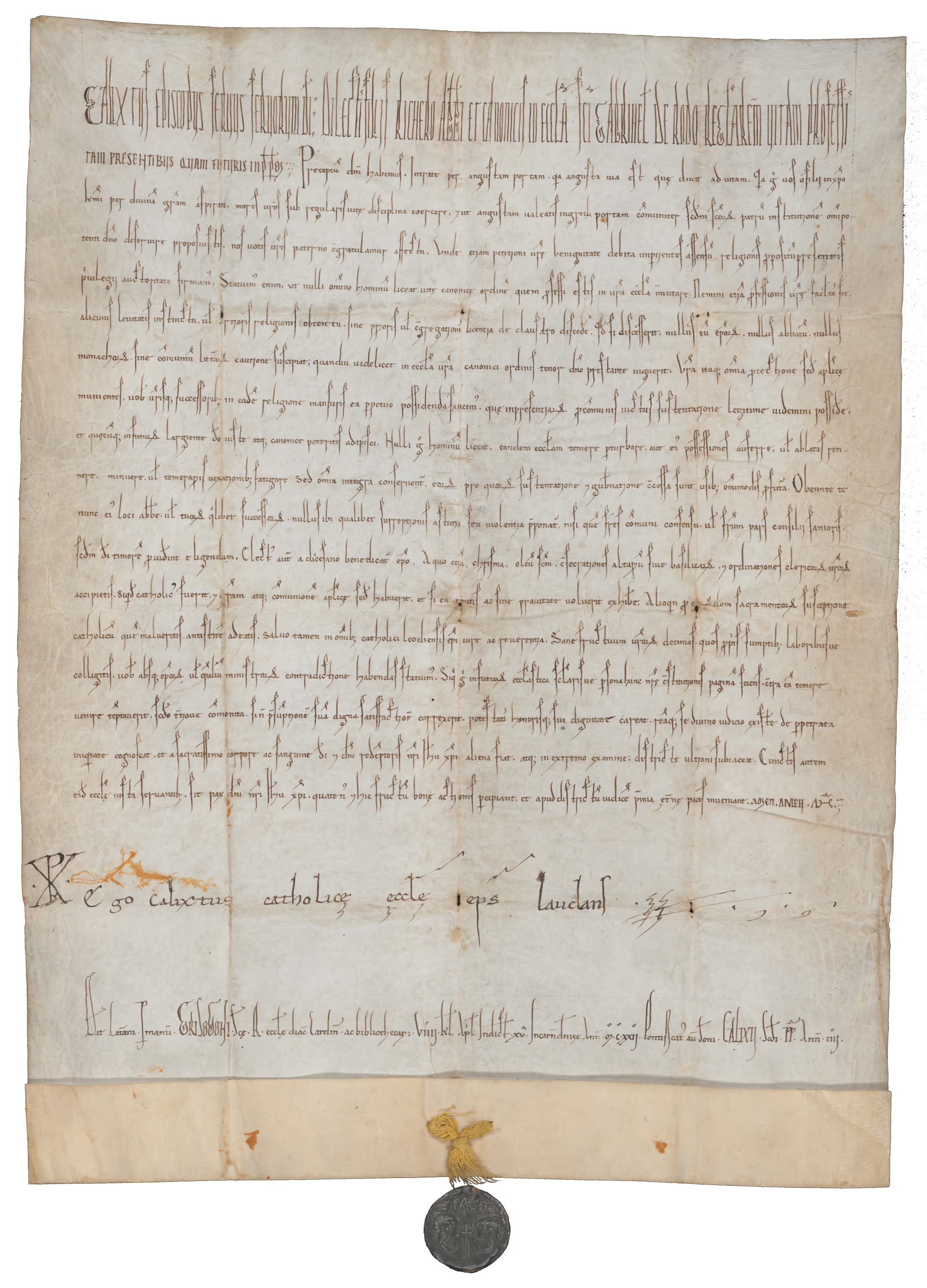
Am 25. März 1122 unterzeichnete Papst Calixtus II. die an "Richero abbati et canonicis in ecclesia Sancti Gabrielis de Rodo" gerichtete Bulle, in der er die von Richer formulierte Lebensregel billigte. Calixtus unterzeichnete diese Charta persönlich mit den Worten: Ego Calixtus catholice ecclesie episcopus laudans. Ein Teil des Bleisiegels ist noch vorhanden. Abt Richer war jedoch nicht mehr in der Lage, diese Bestätigung zu lesen; er starb am 5. Februar 1122. Der Gründer Ailbertus folgte ihm einige Monate später, am 19. September, in den Tod.
Partner



Spender