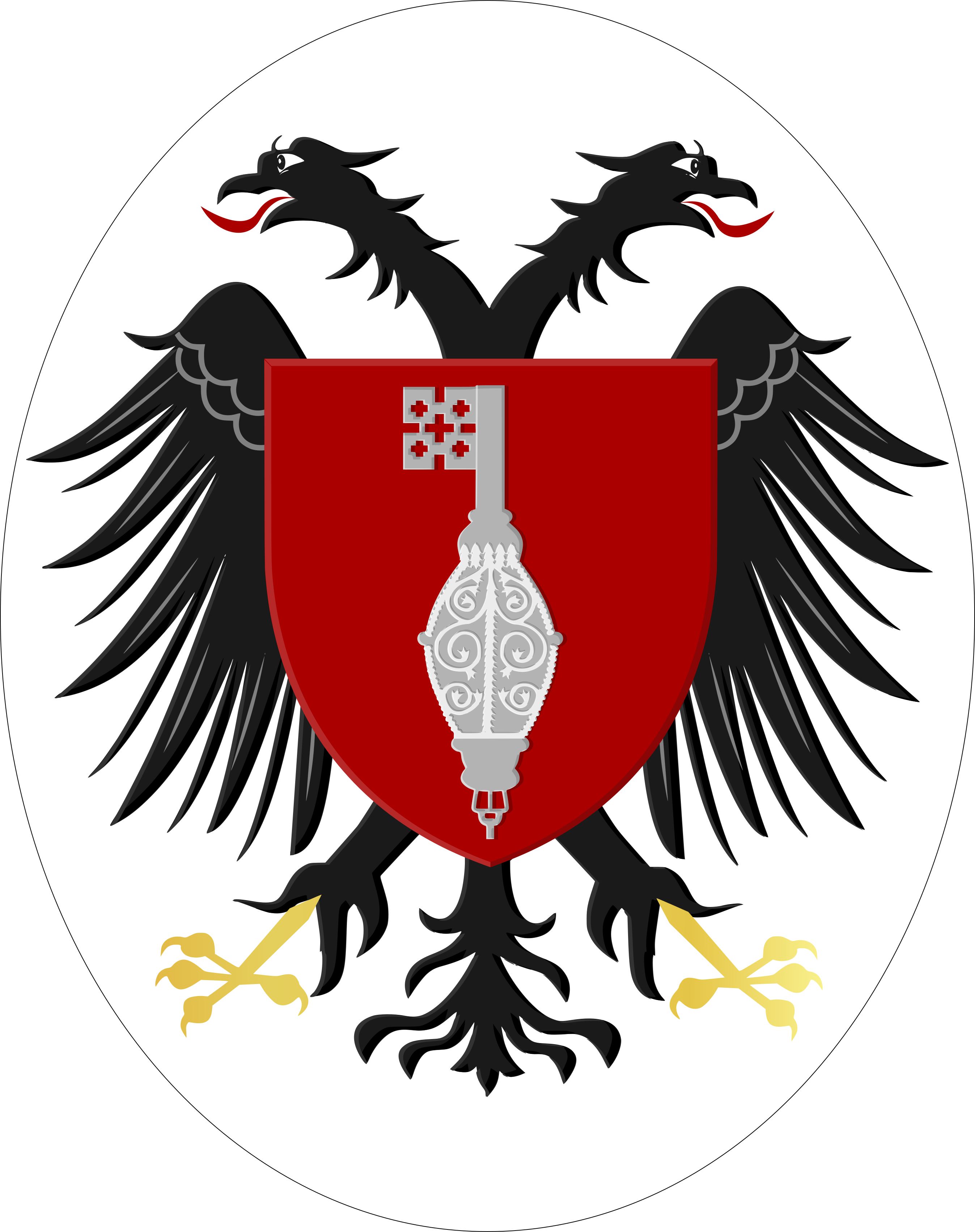
Abt Erpos Abtat, die erste Blütezeit von Kloosterrade

Nach dem Tod von Abt Richer im Jahr 1122 begann in Kloosterrade eine Zeit der internen Spannungen und Unruhen auf der Verwaltungsebene. Die Kamoniker versäumten es aufgrund von Unstimmigkeiten, ein Oberer aus ihrem eigenen Kreis zu wählen. Wahrscheinlich fehlte es an starken Persönlichkeiten, die sich für das Amt des Abtes eigneten, oder aber der Eifer, mit dem sich der eine oder andere als neuer Oberer zur Verfügung stellte, wurde als Bedrohung der Solidarität empfunden. Bis zu vier Mal wurden Kleriker von außerhalb der Abtei zum Oberen gewählt. All diese Wahlen waren jedoch stets umstritten und erwiesen sich immer wieder als enttäuschend. Konflikte, die sich aus Meinungsverschiedenheiten über die Auslegung der Klosterregel oder aus Versuchen, die klösterlichen Bräuche strengeren Regeln anzupassen, ergaben, führten dazu, dass die Oberen vom Bischof oder vom Papst ihres Amtes enthoben wurden oder sich selbst entschieden, die Abtei zu verlassen. Im Jahr 1134 wurde Borno zum zweiten Mal zum Oberen gewählt. Er war zehn Jahre zuvor gewählt worden und wollte damals das Chorgebet ausweiten. Dieser Versuch stieß auf heftigen Widerstand und kein Geringerer als der Papst entschied, dass die alten Bräuche beibehalten werden sollten. So blieb Borno nichts anderes übrig, als Kloosterrade zu verlassen. Mit seiner Rückkehr ebbte der interne Dissens ab. Bezeichnend und von großer Bedeutung für die innere Festigung der Klostergemeinschaft war der Beschluss, den die Chorherren 1137 nach Bornos Tod fassten. Sie wählten von nun an nur noch Obere aus der eigenen Gemeinschaft, vorzugsweise Mitbrüder, die in der Klosterschule unterrichtet und von Kindheit an in der klösterlichen Disziplin erzogen worden waren.
Mit dem aus Maastricht stammenden Erpo bekam Kloosterrade 1141 einen Oberen, der von Kindheit an in der Abtei ausgebildet worden war. Seine lange Amtszeit ls Abt dauerte mindestens bis 1178 und wirkte als stabilisierender Faktor. Nicht ohne Grund wird diese Zeit in der Geschichtsschreibung als das goldene Zeitalter des mittelalterlichen Kloosterrade bezeichnet. Jahrzehntelang herrschten wirtschaftlicher Wohlstand, Frömmigkeit, Gelehrsamkeit und Spiritualität vor. Nun erhielten die Consuetudines, die von Abt Richer aus Rottenbuch eingeführt und später nach dem Vorbild des Klosters Springiersbach gestalteten Regeln und Gebräuche, ihr endgültiges Siegel und beendeten die Entwicklung zu einem Konvent mit einem gemäßigten ordo novus als Leitbild. In einigen Punkten drückte Erpo der strengeren Einhaltung der Klosterregel seinen Stempel auf. Mit der Abschaffung der Verwendung von Fett in allen Speisen setzte er die Strenge in den Essgewohnheiten um, für die Abt Richer, der den Verzehr von Fleisch verboten hatte, den Ton angegeben hatte. Außerdem führte er das Silentium ein, eine Zeit der Stille, in der er den Chorherren buchstäblich verbot, außerhalb der Gottesdienstzeiten der Chorgebete zu sprechen. Andererseits war Erpo der Meinung, dass die Feier der Gezeiten "per diem et noctem", bei der die Gottesdienste des Chorgebets fast ununterbrochen von Mitternacht bis Mitternacht dauerten, die Chorherren überforder te. Neben den Verschärfungen der von ihm auferlegten Lebensregel vereinfachte er daher das überladene liturgische Programm. Er beschränkte die täglichen Chorgebete auf die eigentlichen Gezeiten und strich Extras wie das Beten des separaten Marienoffiziums und das Singen der 15 Psalmen vor den Metten und der sieben Bußpsalmen vor der prima hora. Mit diesen Anpassungen bei der Einhaltung der Gebote und der Gestaltung des Chorgebets erreichte die Entwicklung von Kloosterrade unter Abt Erpo ihren Abschluss. Damit erreichte die Abtei nach nur einem halben Jahrhundert ihren Höhepunkt: Kloosterrade war die erste Gemeinschaft zwischen Rhein und Schelde, die nach den neuen Richtlinien der Augustinerregel lebte und wegen der Einzigartigkeit ihrer Consuetudines überregionales Ansehen genoß. Für andere Augustinererklöster, die eine Reform anstrebten, war Kloosterrade ein Vorbild.
Charakteristisch für die Abtei Kloosterrade im 12. und in der ersten Hälfte des 13. Jahrhunderts war ihr Status als Doppelkloster. Mit dem Eintritt des Ministerialen Embrico und seiner Frau Adeleida sowie ihrer Kinder Heriman und Margareta wurde neben dem Männerkonvent eine Gemeinschaft von Ordensfrauen gegründet. Diese Entwicklung entsprach nicht den Vorstellungen des Gründers Ailbertus. Im Jahr 1140 gelang es dem Oberen Johan, eine Unterkunft für die Schwestern außerhalb der Mauern von Kloosterrade zu finden. Abt Erpo ließ jedoch wieder Frauen zu; er fand ein schlüssiges Motiv für seine Entscheidung in der Notwendigkeit, dass weibliche Ordensangehörige alle Arten von häuslichen Pflichten verrichten konnten. In den nächsten Jahrzehnten war der Zustrom von Mönchen jedoch viel größer als erwartet, und das Problem einer unerwünschten gemischten Gesellschaft trat erneut auf. Erst 1243, mit der Übersiedlung der Nonnen in das von Abt Marsilius neu gegründete Kloster Sinnich, hatte der Status des Doppelklosters ein Ende.
Ebenso unerwünscht und unvereinbar mit dem Ideal eines asketischen und kontemplativen klösterlichen Lebens, das die Abtei ursprünglich angestrebt hatte, war die Ausübung der Seelsorge. Der Vorgänger von Abt Erpo, de Obere Johan, brach 1140 mit dieser Haltung, als er beschloss, die Seelsorge in der Pfarrei zu übernehmen und den Dienst an der Kirche in Kerkrade durch Chorherren der Abtei zu akzeptieren. Gegen Ende der Amtszeit von Erpo erwarb Kloosterrade die Patronatsrechte an mehreren Pfarrkirchen. Der Einflussbereich der Abtei nahm somit weite Ausmaße zwischen Maas und Rhein an.
Ein greifbares Zeugnis der Blütezeit der Abtei ist die Klosterchronik, die um 1160 während der Abteizeit von Erpo entstand. Das mittelalterliche Manuskript, das weder Titel noch Inschrift trägt, wurde von drei unbekannten Chronisten verfasst und gehört zur Gattung der narrationes fundationis. In ihr wird die Geschichte der Gründung eines Klosters, das Leben seines Gründers und meist auch seine weitere Geschichte erzählt. Solche Chroniken wurden mit großer Sorgfalt und Aufmerksamkeit im Skriptorium der Abtei oder des Klosters verfasst, oft von anonymen Mönchen der zweiten Generation. Die Annales Rodenses erzählen die Lebensgeschichte des Ailbertus, seine Erziehung und Ausbildung in Tournai und seine Suche nach einem Ort, an dem er als Einsiedler leben konnte. Die Chronik erzählt dann die Geschichte der ersten fünf Jahrzehnte der Abtei, von der Ankunft des Ailbertus im Jahr 1104 bis zum letzten Eintrag aus dem Jahr 1157. Den Namen Annales Rodenses, unter dem sie bis heute bekannt ist, verdankt das Manuskript dem Chorherrn Nicolaas Heyendal, der gegen Ende des siebzehnten Jahrhunderts eine Fortsetzung der Geschichte von Kloosterrade verfasste. Wie wichtig die Chronik von Kloosterrade für die Geschichtsschreibung ist, zeigt die Tatsache, dass Daten aus der Zeit nach 1157 nur sehr spärlich vorhanden sind. Andere Quellen, aus denen sich die Vorgänge und Geschicke der Abtei im Spätmittelalter ableiten lassen, beschränken sich auf einige wenige erhaltene Urkunden.
Abt Erpo gelang es auch, Kloosterrade materielles Prestige zu verleihen. Davon zeugen nicht weniger als 16 Urkunden aus dem Zeitraum von 1141 bis 1177, in denen Schenkungen und Käufe von Grundstücken sowie der Erwerb von Rechten an Einkünften besiegelt werden. Am Ende der Amtszeit von Erpo, vermutlich im Jahr 1178, hatte der Besitz der Abtei eine Größe von 3570 Hektar erreicht. Obwohl fast die Hälfte davon auf Schenkungen zurückkehrbar war oder von eintretenden Ordensleuten erworben wurde, wurde mehr als ein Fünftel des Grundbesitzes von Abt Erpo erworben. Die Vergrößerung der Ländereien ist ein Indiz für den Wohlstand der Abtei in jener Zeit. Nach 1178 stagnierte die Zunahme des Grundbesitzes; die Einkünfte der Abtei bestanden danach hauptsächlich aus Zinsen und Abgaben. In der Zeit des Niedergangs nach dem Limburger Erbfolgekrieg und in späteren Zeiten, vor allem im 16. Jahrhundert, musste die Abtei aus finanzieller Not einen beträchtlichen Teil ihres Besitzes verkäufen, um die Kosten für die Beseitigung der durch Kriege und Plünderungen entstandenen Schäden an Kirchen- und Klostergebäuden zu finanzieren.
Wann Abt Erpo starb, ist nicht bekannt. Sein Nachfolger, Abt Rutger, wird erstmals 1186 als Abt von Kloosterrade erwähnt. Er fungiert dann als Zeuge für die Schenkung des Herzogs Hendrik III. van Limburg an die Abtei Floreffe, wie aus der Urkunde hervorgeht, die diese Schenkung bestätigt.
Partner



Spender